
Insulation Services in Falls Church, VA
Local Insulation Contractor Expertise
In Falls Church, Virginia, older mid-century homes in neighborhoods like Pimmit Hills and Lake Barcroft need reliable insulation contractor solutions for spray foam insulation, blown-in insulation, and insulation removal. This page covers what to expect from your insulation project and how we work in your area.
How We Work
A clear, step-by-step process for planning, installing, and inspecting your insulation work.
What's Involved: Our Process
We handle every phase of your project with attention to detail and clear communication about what happens next.
Assess Your Home
We inspect your attic, walls, and crawl spaces. Many Falls Church homes built before 1980 have thin or settled insulation. We measure thickness and identify air leaks that raise energy bills.
Plan the Job
We recommend spray foam, blown-in cellulose, or fiberglass based on your home's layout and budget. We explain R-value requirements under Virginia's 2021 Building Code and schedule work around your schedule.
Prep & Protection
Before we start, we cover furniture and belongings with drop cloths. We seal off areas to contain dust and debris. In Glen Forest and other neighborhoods, we respect your home and landscaping.
Remove & Install
If needed, we remove old insulation safely. Then we apply spray foam, blown-in cellulose, or fiberglass to the correct depth. We air-seal cracks and penetrations for maximum efficiency.
Verify & Cleanup
We inspect coverage to ensure even depth and full attic floor coverage. We clean up all materials and remove drop cloths. Your home is left exactly as we found it.
Follow-Up
We provide documentation of R-value and coverage. If you notice drafts or temperature issues after 30 days, we'll return to address them at no extra charge.
You'll always know what's happening next—and when.
Our Services
We match insulation type and depth to your home's needs and building code requirements.
Spray Foam Insulation
Spray foam seals air leaks in attics, basements, and wall cavities. It expands to fill gaps that blown-in insulation can't reach. Ideal for mid-century Pimmit Hills homes where rafters and framing gaps trap cold air.
Open-cell spray foam is softer and better for sound control. Closed-cell foam is denser and adds rigidity—good for crawl spaces. Both meet Virginia building codes for R-value.
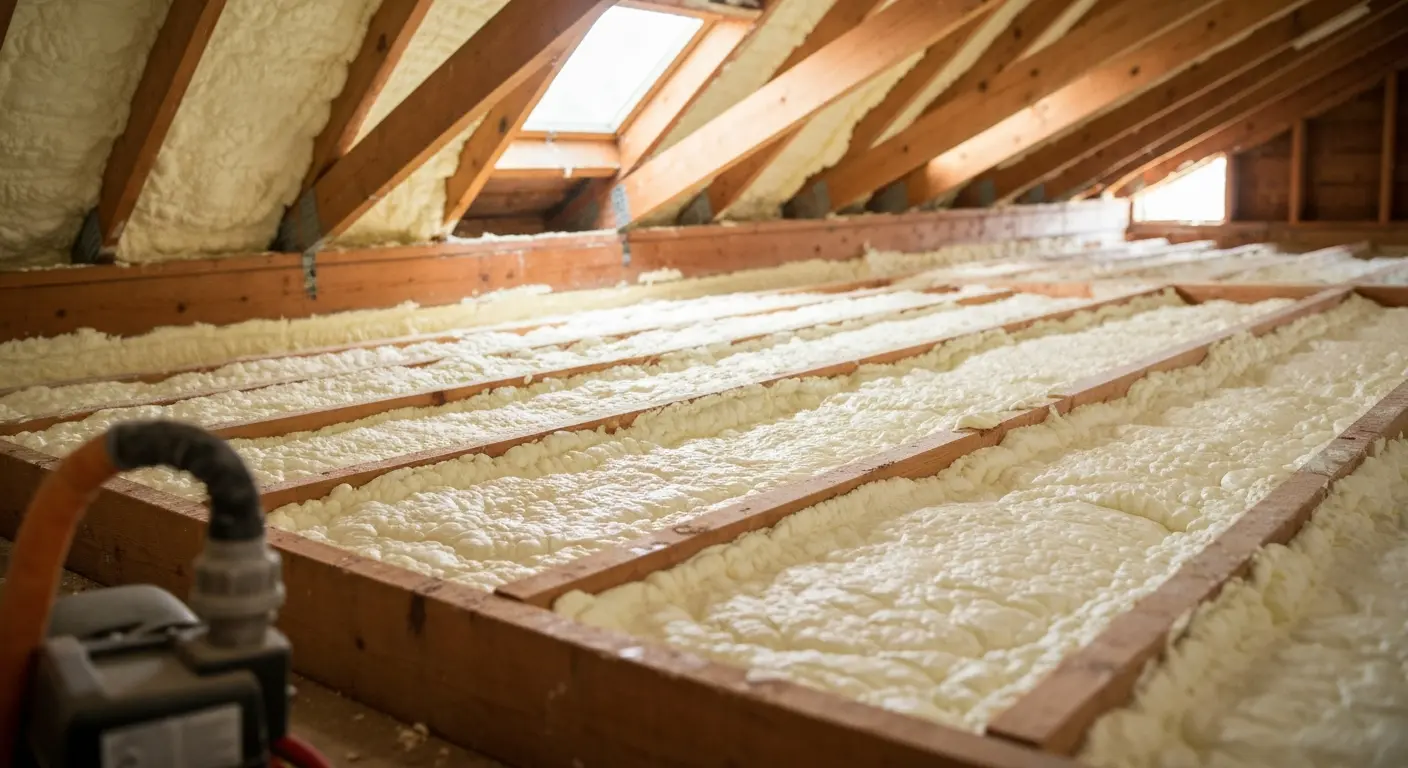
Spray foam application in attic space, Lake Barcroft home
Blown-In Insulation
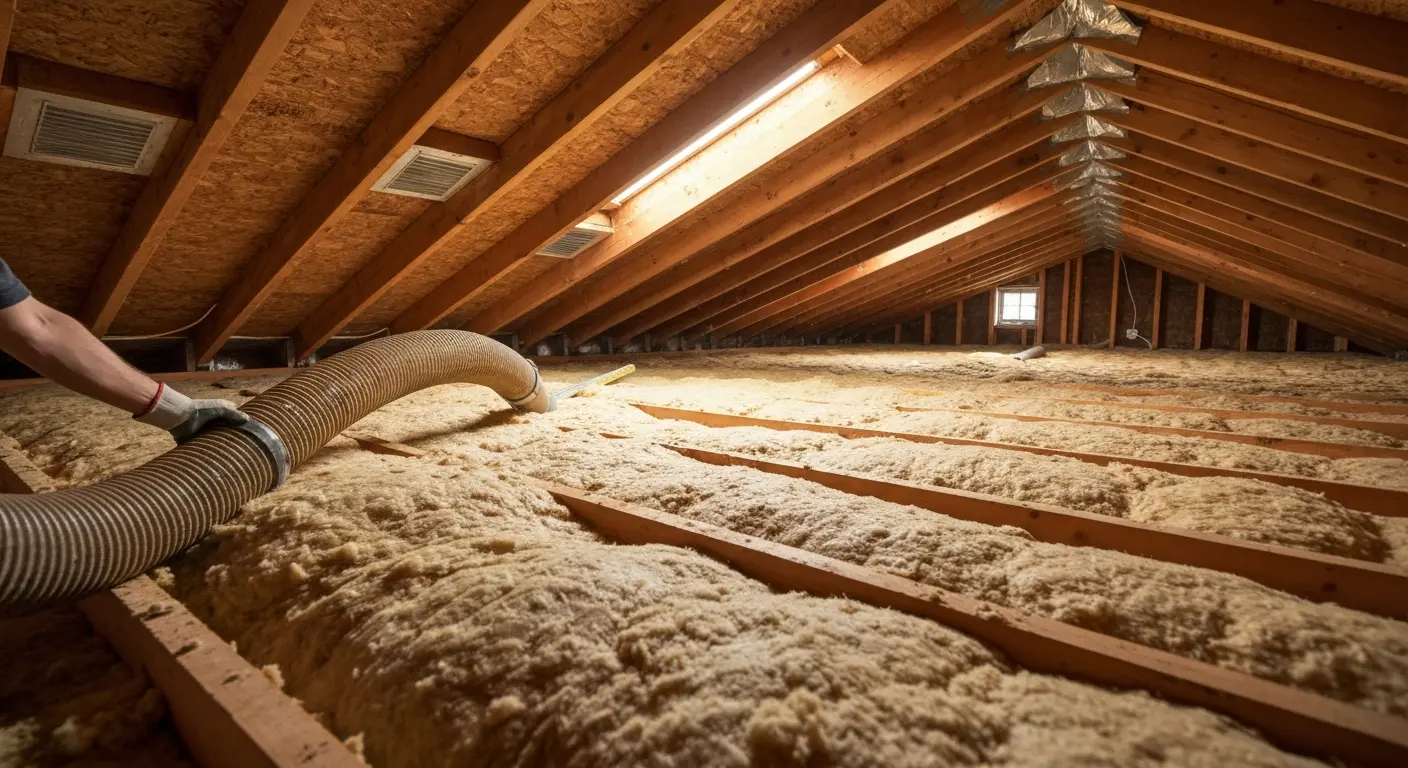
Attic renovation with blown-in cellulose, Glen Forest neighborhood
Blown-in cellulose and fiberglass are quick, affordable upgrades. We apply them over existing insulation or on bare joists. Falls Church homes need R-38 minimum for attics under current code.
This method works well for unfinished attics and wall cavities. We can blow-in around obstacles like HVAC ducts and electrical wiring. Coverage is even and dense for consistent performance.
Insulation Removal
Old insulation can be contaminated by rodents, mold, or moisture. We safely remove damaged or settled material before installing new insulation. Common in older Falls Church homes where squirrels or raccoons nested.
After removal, we seal entry points and sanitize the attic. This prevents pests from returning and ensures your new insulation stays clean and effective for decades.
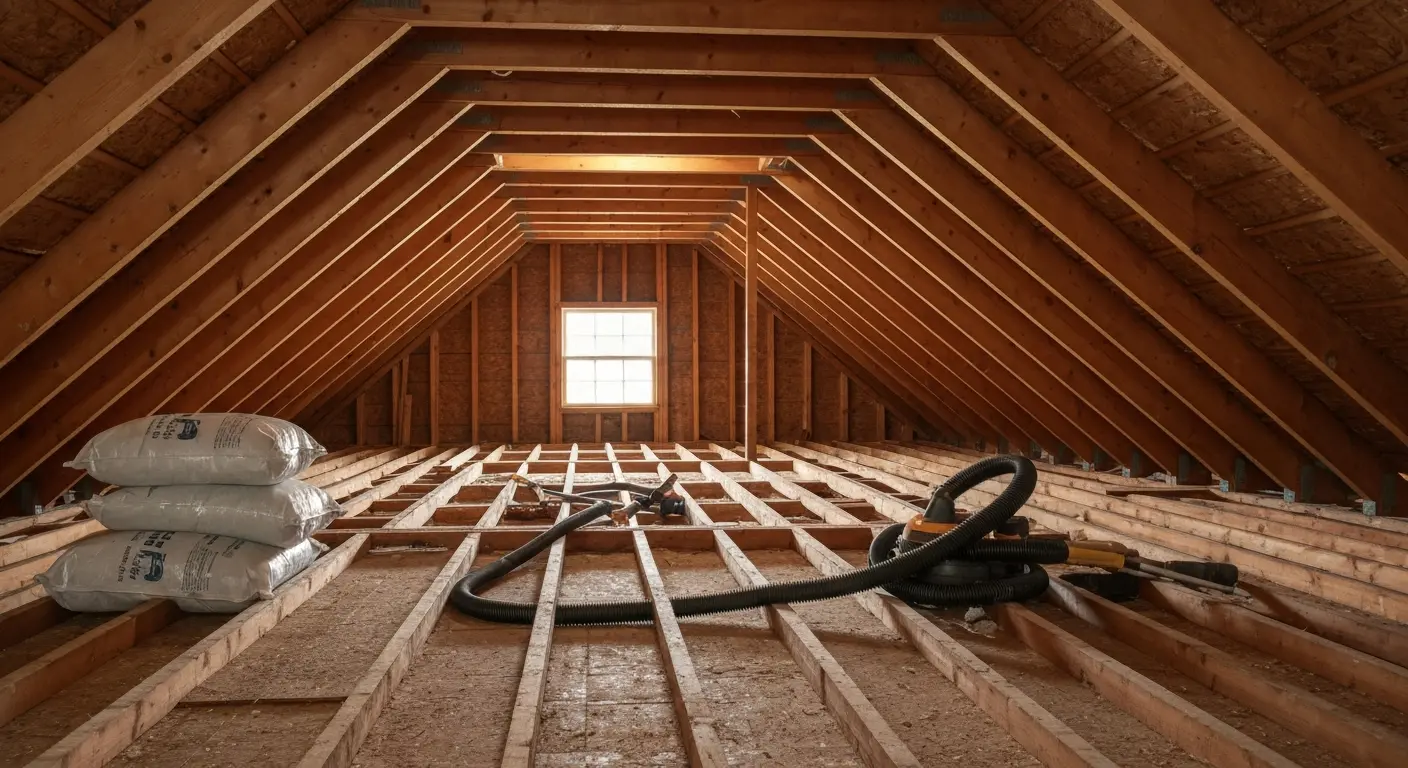
Contaminated insulation removal, Pimmit Hills residence
Why Local Expertise Matters
Falls Church homes have specific challenges and building code requirements that generic contractors might miss.
Mid-Century Home Considerations
Built between 1950 and 1970, most Falls Church homes have architectural quirks. Rambler-style roofs in Pimmit Hills have low slopes. Cape Cod homes in Lake Barcroft have tight attic spaces. We know how to work in these layouts without causing damage.
Many older Falls Church homes have electrical or plumbing in the attic. We route around these systems and document everything so future work won't disturb insulation.
Virginia Building Code Compliance
The 2021 Virginia Uniform Statewide Building Code requires R-38 minimum for attics in new construction and major renovations. Our work meets or exceeds these requirements. We label insulation with type and R-value for your records and future inspectors.
Energy Bills & Comfort
Proper insulation cuts heating and cooling costs by 15–30%. Homes in Glen Forest and other neighborhoods see noticeable comfort improvements—no more cold spots on second floors or hot attics in summer.
Coverage & Getting Here
We serve all neighborhoods across Falls Church and the surrounding Fairfax County areas.
Neighborhoods We Serve
Pimmit Hills, Lake Barcroft, Glen Forest, Pine Spring, Holmes Run Acres, and all other Falls Church communities.
Convenient Access
We can reach most Falls Church homes within 15 minutes. From West Falls Church Metro Station on Broad Street, head south on Route 29 toward Route 123. From I-66, take the Falls Church exit onto Leesburg Pike or Route 7. Street parking is available in most neighborhoods, and we work weekends if needed.
Ready to schedule your free insulation assessment?
Frequently Asked Questions
How long does an insulation project take?
Most attic projects finish in one to two days. Blown-in insulation is faster than spray foam removal and install. We'll give you a timeline during your free assessment.
Do I need a permit for insulation work in Falls Church?
Most insulation projects don't require a permit. If you're doing attic work as part of a larger renovation, a permit may be needed. We'll check with City Hall (300 Park Ave) and advise you upfront.
What's the right R-value for my Falls Church attic?
Virginia code requires R-38 minimum. Older homes often have R-19 or R-30. For best comfort and savings, aim for R-49 in Falls Church's climate. We'll measure your current insulation and recommend the right level.
Can I stay in my home during insulation work?
Yes. Attic work is upstairs, so you can move freely. Blown-in projects create dust, so we seal attic access. Spray foam has odor for a few hours afterward. We recommend opening windows.
What happens if I find contaminated insulation?
We remove it safely and dispose of it properly. We then inspect for pest entry points and seal them before installing new insulation. This prevents future infestations in your Falls Church home.
How do I know if my attic needs more insulation?
If you see attic framing (joists) easily from the attic entrance, you need more. High energy bills, cold spots, or ice dams in winter also signal insufficient insulation. We offer free visual inspections.
DISCOVER WHAT OUR CUSTOMERS HAVE TO SAY ABOUT US
REVIEWS
proudly serving these areas
Arlington, VA
Fairfax, VA
Falls Church, VA
Great Falls, VA
Herndon, VA
McLean, VA
Potomac, MD
Reston, VA
READY TO take the next step?
get a free quote TODAY!
QUICK LINKS
our services
service areas
operating HOURS
Mon: 7:00 am - 5:00 pm
Tue: 7:00 am - 5:00 pm
Wed: 7:00 am - 5:00 pm
Thu: 7:00 am - 5:00 pm
Fri: 7:00 am - 5:00 pm
Sat: 7:00 am - 5:00 pm
Sun: Closed - Closed