
Insulation Services in Washington, DC
Local Insulation Contractor Expertise
Washington, DC's brick rowhouses, dense neighborhoods, and humid summers demand smart insulation choices. This page covers what an insulation contractor in Washington, DC does—from spray foam and blown-in insulation to complete removal and sealing. Whether your Capitol Hill or Georgetown home needs heat control, soundproofing, or pest-blocking barriers, we walk you through the process, cost factors, and what to expect.
Good insulation isn't just about comfort. In older DC homes, tight sealing prevents drafts, stops pest entry, and cuts energy waste. Most work finishes in 1–2 days, and you'll see lower bills within weeks.
How Insulation Work Gets Done
From assessment to final sealing, each step protects your home
Inspection & Assessment
We check attic condition, moisture levels, pest damage, and R-value gaps. This reveals hidden energy leaks and safety concerns in older rowhouse structures.
Removal (if needed)
Old, settled, or contaminated insulation is vacuumed out with commercial equipment. We remove rodent droppings and debris safely—critical for spray foam installs.
Air Sealing
We caulk cracks, seal gaps around pipes and vents, and close structural holes. This blocks drafts, pest entry points, and moisture infiltration—the top energy loss culprit.
Installation
New spray foam, blown-in fiberglass, or cellulose is applied. Spray foam expands, filling every crack; blown-in settles evenly. Work typically takes 4–8 hours per zone.
Inspection & Cleanup
Final check confirms even coverage and no missed voids. We remove all debris, protect your home interior, and confirm the job meets code standards.
Follow-up & Results
You'll notice warmer winters, cooler summers, and quieter rooms within days. Most homeowners see 15–30% energy bill reductions year-round.
You'll always know what's happening next—and when.
Our Services
Spray Foam Insulation
Spray foam expands on contact, sealing every tiny gap—perfect for DC's rowhouse brick walls, knee walls, and vaulted ceilings. Closed-cell foam blocks moisture and pests; open-cell is lighter and cheaper. Both perform well in humid summer and freezing winter climates.
- Stops air leaks and cold drafts instantly
- Creates barrier against rodents and roaches
- Reduces outside noise from busy neighborhoods
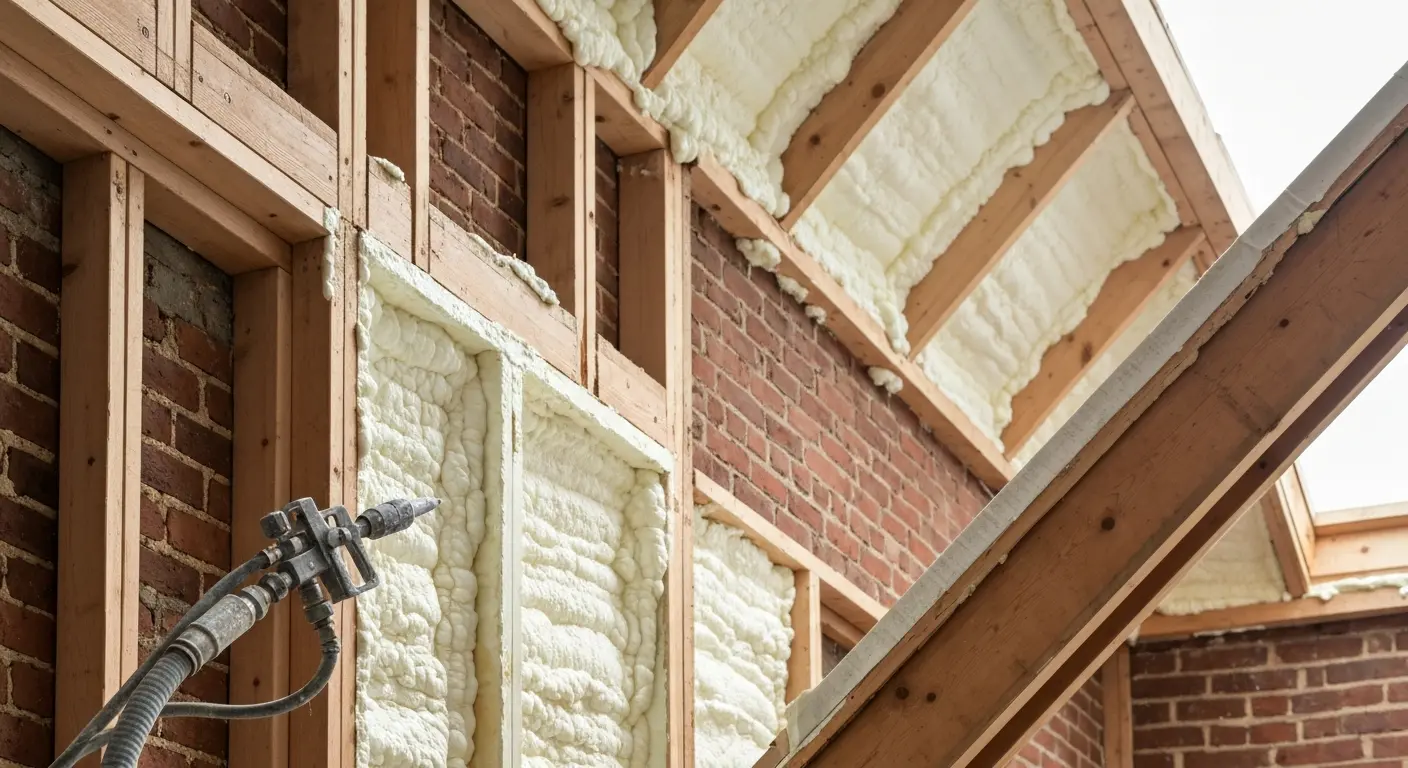
Spray foam sealing roof eaves and walls in Logan Circle rowhouse
Blown-In Insulation
Loose-fill fiberglass or cellulose blown into attics and wall cavities fills awkward shapes without gaps. Best for upgrading older DC homes where attic floors have settled or insulation has compressed. Low cost, quick install, and eco-friendly cellulose option available.
- Fills irregular cavities in old plaster ceilings
- Eco-friendly cellulose from recycled newspapers
- Covers attic stored items without removal
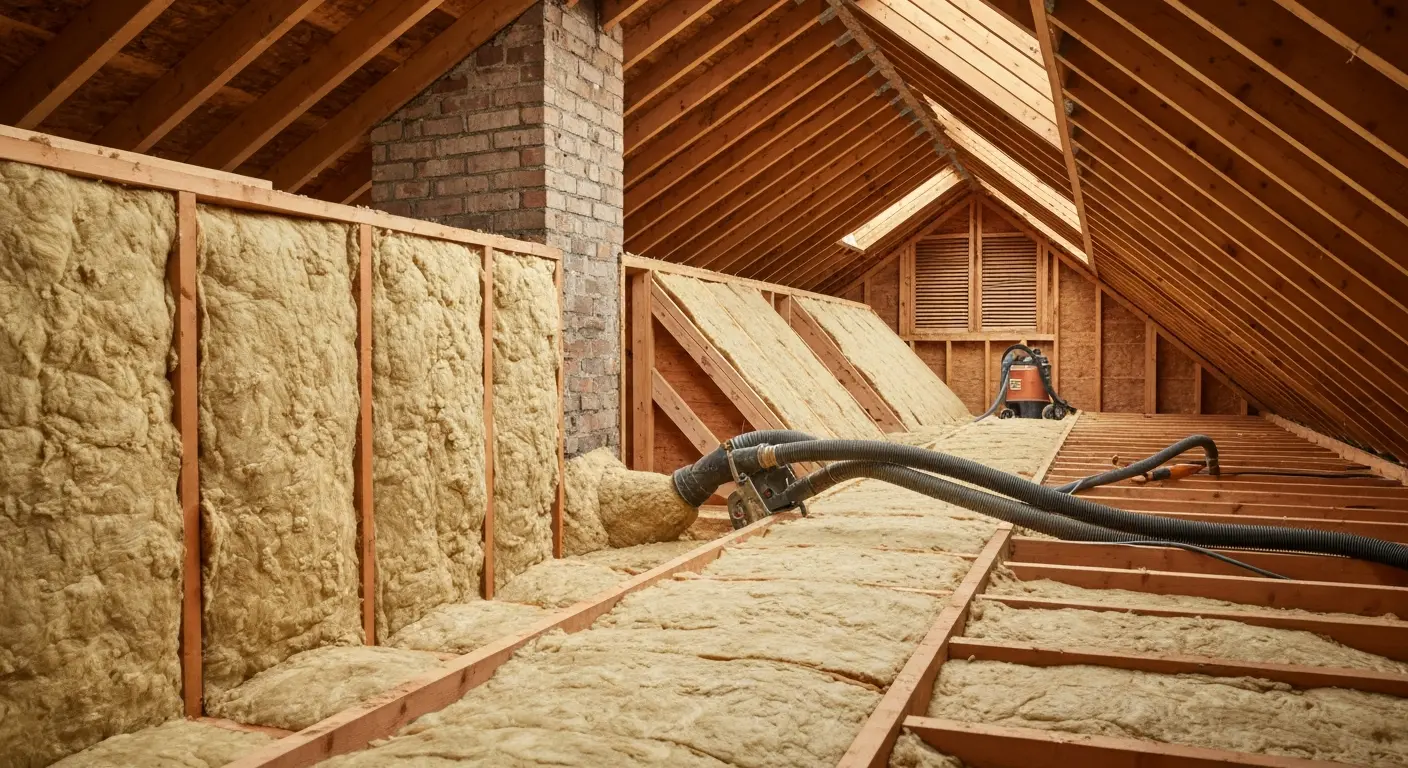
Dense-pack insulation work in U Street Corridor attic space
Insulation Removal & Cleanup
Old, damaged, moldy, or contaminated insulation must be removed before new material is installed. We use commercial vacuums to safely extract debris, pest excrement, and dust. DC homes often hide moisture damage and rodent nesting—we clean it all.
- Removes asbestos-containing vermiculite safely
- Eliminates rodent and pest contamination
- HEPA filtration protects your air quality
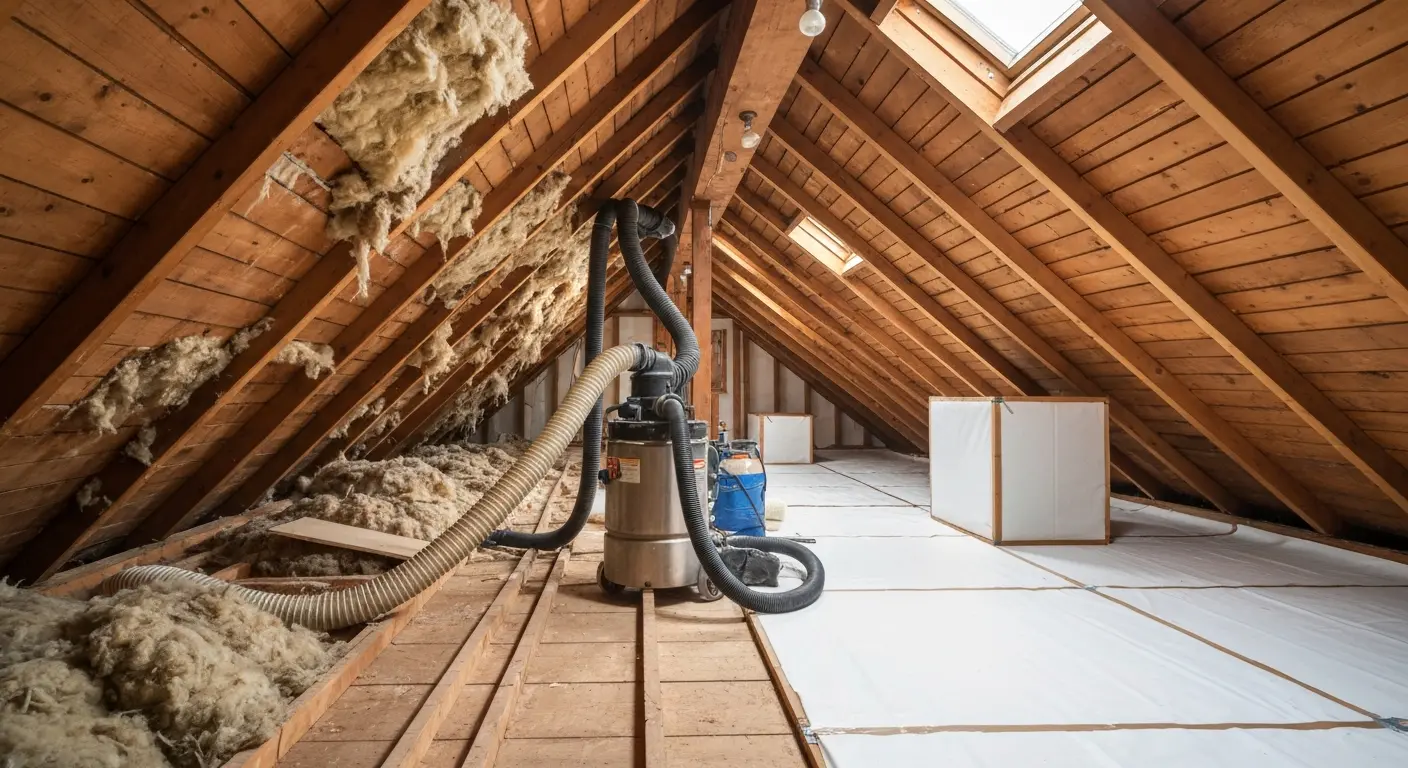
Safe removal of settled, dusty fiberglass from Capitol Hill attic
Why Insulation Matters in Washington, DC
Fight DC's Harsh Seasons
Winter temps drop below freezing; summer heat hits 90°F+ with 70% humidity. Without proper insulation, your HVAC system runs constantly, wasting energy and money. Spray foam and blown-in insulation create tight thermal barriers so heating and cooling stay inside, not leaking through walls and attics.
Tighter sealing = lower utility bills in both seasons.
Block Pests Before They Enter
Mice, cockroaches, and rats thrive in DC's urban density and older rowhouse construction. Gaps in brick mortar, foundation cracks, and loose roof vents are entry highways. Spray foam and air sealing close these access routes. Combined with removal of contaminated insulation, you stop pest harborage and avoid disease-carrying droppings in your attic.
Good insulation = pest-free attic. Bad gaps = rodent highways.
Protect Against Moisture & Mold
DC's humid summers and leaky roofs encourage mold growth on settled insulation and ceiling joists. Closed-cell spray foam resists moisture. Proper ventilation and air sealing prevent condensation. Old insulation often hides mold—we remove it and install clean material.
Your family breathes easier, and your home stays structurally sound.
Serving Washington, DC Neighborhoods
We work across all four quadrants and understand each neighborhood's building challenges
Northwest (NW)
Woodley Park, Georgetown, Logan Circle rowhouses. Many Victorian-era homes need roof deck foam and wall sealing to handle humidity and age-related gaps.
Northeast (NE)
Capitol Hill, H Street, Brookland. Dense row-home blocks where shared walls make rodent pressure high. Air sealing is critical for pest prevention.
Southwest (SW)
Buzzard Point, Navy Yard. Mix of newer condos and older structures. Waterfront humidity increases mold risk—moisture-resistant foam is key.
Southeast (SE)
Anacostia, Kenilworth. Similar rowhouse challenges to NE. Urban pest pressure and settling insulation are common—we handle full removal and upgrade.
Every neighborhood in DC shares one reality: older brick, tight construction, and year-round pest pressure. We know the building types, the seasonal pest cycles, and the permit rules for each ward. Fast turnaround, minimal disruption, and lasting results—guaranteed.
Common Questions
How long does spray foam installation take?
Most jobs finish in 4–8 hours per attic, depending on size. The foam cures fully within 24 hours, and you can use your home immediately.
Do I need to remove old insulation before new spray foam?
Yes—if you're foaming the roof deck. Old insulation on the attic floor blocks airflow and traps moisture under new foam. We remove it first, clean the space, then apply fresh material.
Does insulation really stop pests from entering?
Good air sealing closes entry gaps. Spray foam fills cracks rodents use. But full pest prevention also means sealing exterior foundation cracks and vents—we identify and seal all access points during inspection.
Will insulation help with noise from busy streets?
Yes—spray foam and blown-in insulation absorb sound. Homes on busy blocks in H Street or U Street Corridor notice quieter rooms, especially bedrooms on exterior walls.
How much can I save on energy bills?
Most DC homes see 15–30% reductions in heating and cooling costs within the first year. Exact savings depend on current R-value, air sealing work, and how often you adjust your thermostat.
Do I need permits for insulation work in DC?
Most attic and wall insulation work does not require permits. If you're planning roof work, electrical upgrades, or asbestos removal, local code may apply. We handle compliance and paperwork for you.
DISCOVER WHAT OUR CUSTOMERS HAVE TO SAY ABOUT US
REVIEWS
proudly serving these areas
Arlington, VA
Fairfax, VA
Falls Church, VA
Great Falls, VA
Herndon, VA
McLean, VA
Potomac, MD
Reston, VA
READY TO take the next step?
get a free quote TODAY!
QUICK LINKS
our services
service areas
operating HOURS
Mon: 7:00 am - 5:00 pm
Tue: 7:00 am - 5:00 pm
Wed: 7:00 am - 5:00 pm
Thu: 7:00 am - 5:00 pm
Fri: 7:00 am - 5:00 pm
Sat: 7:00 am - 5:00 pm
Sun: Closed - Closed